Precicom / Techno Blog / Psychological Hacking and the Growing Sophistication of Attacks
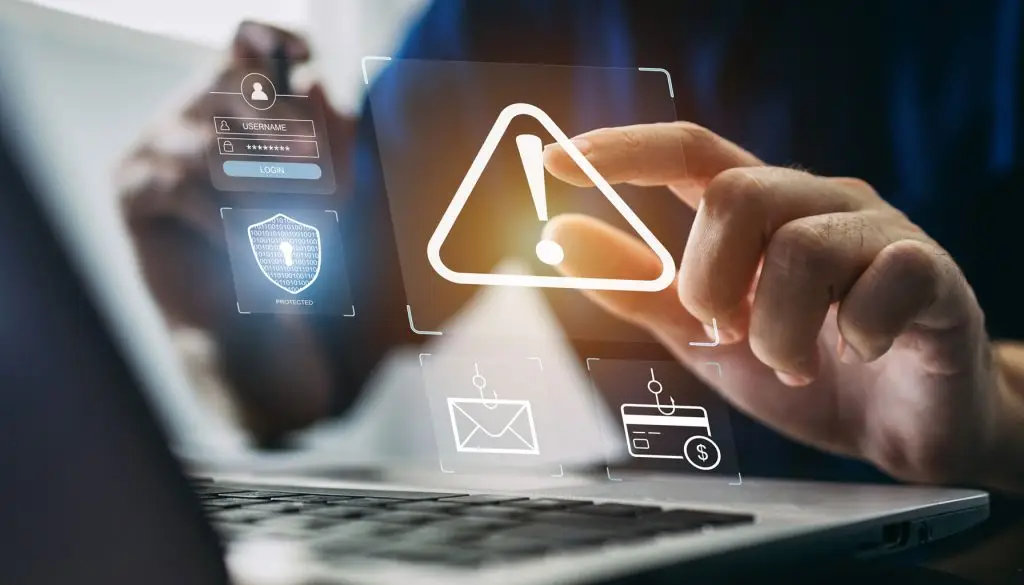
Phishing, once seen as a relatively simple threat to spot, has evolved into one of the most feared and sophisticated hacking methods.
Cybercriminals have refined their techniques, making their attacks more convincing and harder to detect. Today, phishing campaigns exploit not only technological vulnerabilities but also human weaknesses.
By perfectly imitating legitimate sources, these attacks can deceive even the most vigilant employees—exposing systems, sensitive data, and critical information within an organization.
Cybercriminals have perfected the art of crafting phishing messages that look increasingly like genuine communications. They use logos, signatures, and language specific to the companies they’re impersonating, making their messages nearly indistinguishable from legitimate correspondence.
What’s more, these attacks are often personalized, incorporating details specific to the target. This dramatically increases the message’s credibility—and the chances it will be opened. This level of sophistication means organizations must stay extra vigilant and educate their staff on modern phishing tactics.
They use logos, signatures, and company-specific language to strengthen the illusion.
Psychological hacking is all about exploiting human weaknesses. Cybercriminals prey on emotions like fear, curiosity, or urgency to push employees into acting quickly—without taking time to verify if a message is genuine.
For example, an email that appears to come from the IT department, urging an immediate update of login information, can prompt an employee to hand over credentials without a second thought. This manipulation of emotions shows just how easily human vulnerabilities can be leveraged to bypass technical security measures.

When employees fall for phishing attacks, the consequences can be devastating for the organization.
A single click on a malicious link or the opening of an infected attachment can give cybercriminals access to the company’s internal systems. Once inside, they can steal sensitive data, install malware, or even take control of entire networks.
This kind of breach can lead to significant financial losses, reputational damage, and legal obligations related to the disclosure of data breaches.
Beyond technical risks, phishing attacks can have serious psychological effects on employees.
Staff who realize they’ve been tricked may experience guilt, anxiety, or even shame. These feelings can impact morale and self-confidence, creating a stressful work environment.
To minimize these impacts, organizations must support employees after a compromise, emphasizing learning and growth over blame.
It’s essential that organizations stand by their employees when a compromise occurs.
Phishing simulations are a proactive way to boost employees’ alertness to these threats.
By sending simulated phishing emails, organizations can assess how well their staff recognize and report attack attempts. These tests help identify weaknesses and target training efforts where they’re needed most.
They also raise awareness of the various forms phishing can take, helping employees better understand cybercriminal tactics and stay more vigilant in the future.
Beyond strengthening individual vigilance, phishing simulations help improve the organization’s overall resilience.
By regularly exposing staff to realistic phishing scenarios, companies can build a security-minded culture where every employee is aware of the risks and knows how to respond to phishing attempts.
This resilience is essential to minimize potential damage and ensure that—even in the event of a breach—the organization can react quickly and effectively to contain the threat.
Phishing remains one of the most persistent and dangerous threats to organizations. Given the increasing sophistication of these attacks, it’s crucial for companies to adopt a preventive strategy that includes regular phishing simulations and ongoing employee training.
By strengthening vigilance and improving resilience, organizations can better protect themselves against these psychological hacking attempts—safeguarding their systems, data, and employees.


With a full range of solutions, ISO 27001 certification, and trusted teams and partners, we’ve been providing strategic support for the digital management of public and private organizations for over 25 years.



Our solutions are delivered in partnership with the industry’s top providers. The organizations that trust us know they’re working with certified IT specialists who understand their needs. They can count on a strategic technology partner, allowing them to focus on what matters most—their core business.
We combine our business acumen, expertise, and knowledge to optimize, secure, and expand digital environments. We push the limits of technology to exceed expectations.
We are Precicom.